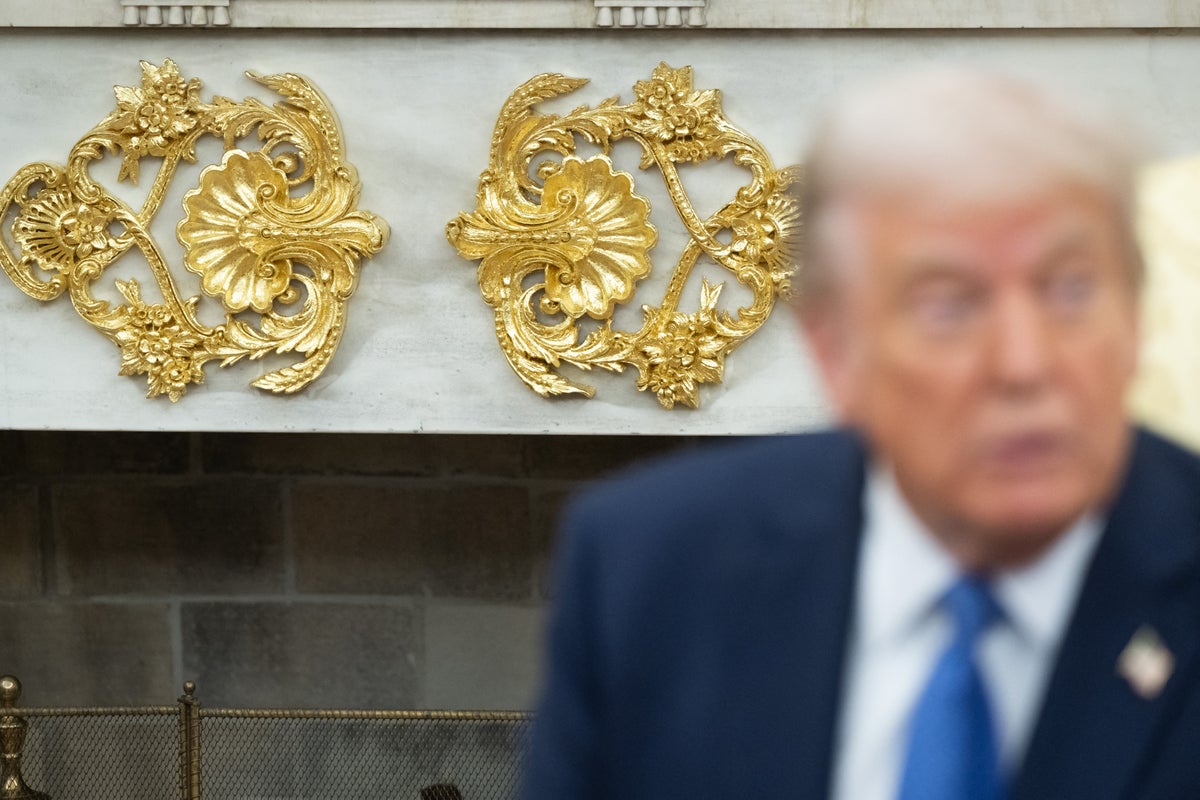
Trump's Oval Office Farce & Global Tensions: Cuba, Iran, and Russia Under Scrutiny
Donald Trump's presidencies, both his initial term as the 45th President from 2017-2021 and his current tenure, have undeniably reshaped the landscape of American politics and international diplomacy. Born in New York City, Trump's journey from a prominent real estate developer and media personality, notably as the host of 'The Apprentice,' to the highest office in the United States, marked a significant departure from traditional political trajectories. His distinctive, often unconventional, approach to governance and foreign policy has sparked intense debate and left an indelible mark on global relations, particularly concerning contentious relationships with nations like Cuba, Iran, and Russia. This article delves into the perceived chaos within the Oval Office and the intricate global challenges that have come to define an era under Donald Trump: Businessman, Media Star, 45th & Current US President.
The Oval Office Under Scrutiny: A Question of Composure
The perception of Donald Trump's White House often oscillates between decisive action and moments described by critics as descending into "humiliating farce." Reports of an "unhinged 24 hours" and Oval Office meetings spiraling into disarray have frequently surfaced, painting a picture of a leadership style that defied conventional decorum and operational norms. These instances, whether real or exaggerated, contributed to a broader narrative of an administration often characterized by internal strife, rapid personnel changes, and high-stakes decision-making processes that sometimes appeared to lack established protocol.
Such episodes are not merely fodder for political commentary; they have tangible implications for national and international perceptions of American stability and leadership. When the highest office in the land is perceived as volatile, it can erode public trust, create uncertainty among allies, and embolden adversaries. For any administration, maintaining a perception of composure and predictability is crucial for effective governance, both domestically and on the world stage. Unconventional leadership, while sometimes leading to breakthroughs, also carries the risk of misinterpretation and instability, challenging the very foundations of diplomatic engagement and strategic planning. A key takeaway for understanding this dynamic is recognizing that the optics of leadership can be as impactful as the policies themselves.
Navigating the Geopolitical Chessboard: Cuba and Russia
Donald Trump's foreign policy towards Russia and Cuba presented a complex tapestry of confrontation, negotiation, and perceived challenges. A notable instance that encapsulated this tension was the reported sailing of a "Russian oil tanker and warship through Channel 'in Trump Cuba challenge'." This event highlighted the persistent geopolitical intricacies in the Western Hemisphere and the enduring influence of Cold War-era alliances. For decades, Cuba has been a strategic focal point for both the United States and Russia, and any significant Russian naval presence near the U.S. coastline is immediately interpreted through a lens of strategic maneuvering and potential provocation.
Under Trump, relations with Cuba, which had seen a brief thaw under the Obama administration, largely reverted to a more confrontational stance, characterized by increased sanctions and travel restrictions. Simultaneously, Trump's approach to Russia was marked by a unique duality: on one hand, his administration pursued sanctions and condemned Russian aggression in various theaters; on the other, Trump himself often expressed a desire for improved relations with Moscow, sometimes drawing criticism for appearing too conciliatory. The presence of Russian naval assets in such a sensitive area, particularly when framed as a "challenge" to Trump's policies, underscores the intricate dance of international power projection and the constant testing of geopolitical boundaries. Understanding the strategic importance of naval power and influence in regions like the Caribbean is crucial for comprehending global security dynamics, as such maneuvers often serve as signals of intent and capability to both allies and rivals.
Iran, International Pressure, and the World Stage
The Trump administration's "maximum pressure" campaign against Iran was a cornerstone of its foreign policy, aimed at curbing Iran's nuclear program and regional influence. This strategy involved withdrawing from the Joint Comprehensive Plan of Action (JCPOA), often referred to as the Iran nuclear deal, and reimposing stringent sanctions. This confrontational approach extended beyond traditional diplomatic channels, even touching upon international events like the World Cup.
The context surrounding "Gianni Infantino confirms World Cup plan after Iran demand and Donald Trump's threat" offers a unique glimpse into how non-traditional leverage can be employed in foreign policy. While the specifics of Trump's threat and Iran's demand regarding the World Cup are broad in the reference, it suggests an environment where major sporting events, typically considered apolitical, become intertwined with high-stakes international diplomacy. Such instances demonstrate how global events, cultural exchanges, or even the participation of national teams can be politicized and used as bargaining chips or platforms for asserting power. For policymakers, this highlights the necessity of considering the multifaceted impact of international relations, where traditional diplomacy often intersects with cultural, economic, and even sporting realms. It illustrates that in an increasingly interconnected world, almost any arena can become a stage for geopolitical assertion, demanding comprehensive and nuanced strategic thinking.
Economic Strategy and Political Fallout: The Tariff Debate
A defining characteristic of Donald Trump's economic policy was his enthusiastic embrace of tariffs as a tool for trade negotiation and protecting domestic industries. Believing that existing trade agreements were detrimental to American workers and businesses, Trump imposed tariffs on a wide range of goods from various countries, most notably China. While proponents argued these measures were essential for leveling the playing field and bringing manufacturing jobs back to the U.S., critics warned of retaliatory tariffs, increased costs for consumers, and disruptions to global supply chains.
The economic impact of these policies has become a significant talking point in domestic politics, particularly as "Democrats running for governor across the country are making tariffs a central element of their political message this year." This demonstrates how national economic policies under Trump have resonated at the state level, influencing local economies and becoming a potent campaign issue. Democratic candidates often frame tariffs as contributing to higher prices, hurting agricultural exports, and destabilizing local job markets, thereby weaponizing Trump's economic legacy for their own political gain. Understanding the multifaceted impact of trade policies on various sectors—from agriculture to manufacturing and retail—is crucial for both voters and policymakers. The debate around tariffs underscores how economic decisions made in Washington have direct, tangible consequences for ordinary Americans and are frequently leveraged in political discourse. For a deeper dive into this dynamic, explore how Democrats Weaponize Tariffs: Trump's Economic Legacy in Focus.
The Enduring Legacy of an Unconventional President
Donald Trump's journey from a real estate mogul and reality TV star to the 45th and current President of the United States is a testament to his unique ability to connect with a specific segment of the electorate and disrupt political norms. His tenure has been marked by a distinct style of governance that prioritized immediate action, often challenging diplomatic conventions and internal administrative processes. This approach has led to both fervent support from his base and intense criticism from opponents, creating a highly polarized political environment.
The legacy of a Trump presidency is multifaceted. It includes a re-evaluation of international alliances, a shift towards protectionist trade policies, and a more assertive, often confrontational, stance towards nations deemed adversaries. From the Oval Office dynamics described as "farce" to the strategic challenges posed by Cuba, Russia, and Iran, Trump's presidency has compelled a re-examination of how America conducts its domestic affairs and engages with the world. His impact is not merely about policy changes but also about the profound cultural and political shifts he instigated, ensuring that his influence will be debated and analyzed for decades to come.
In conclusion, Donald Trump's presidencies have been a period of profound redefinition for American politics and global affairs. Characterized by an unconventional leadership style that sometimes bordered on the chaotic, his administration confronted and reshaped complex international relationships with nations like Cuba, Iran, and Russia, often through direct and confrontational means. Simultaneously, his economic policies, particularly the aggressive use of tariffs, sparked heated domestic debates that continue to influence electoral campaigns across the country. Regardless of one's political stance, the indelible mark left by Donald Trump on the Oval Office and the intricate web of global tensions ensures his era will be remembered as one of significant disruption and undeniable impact on both American governance and international diplomacy.