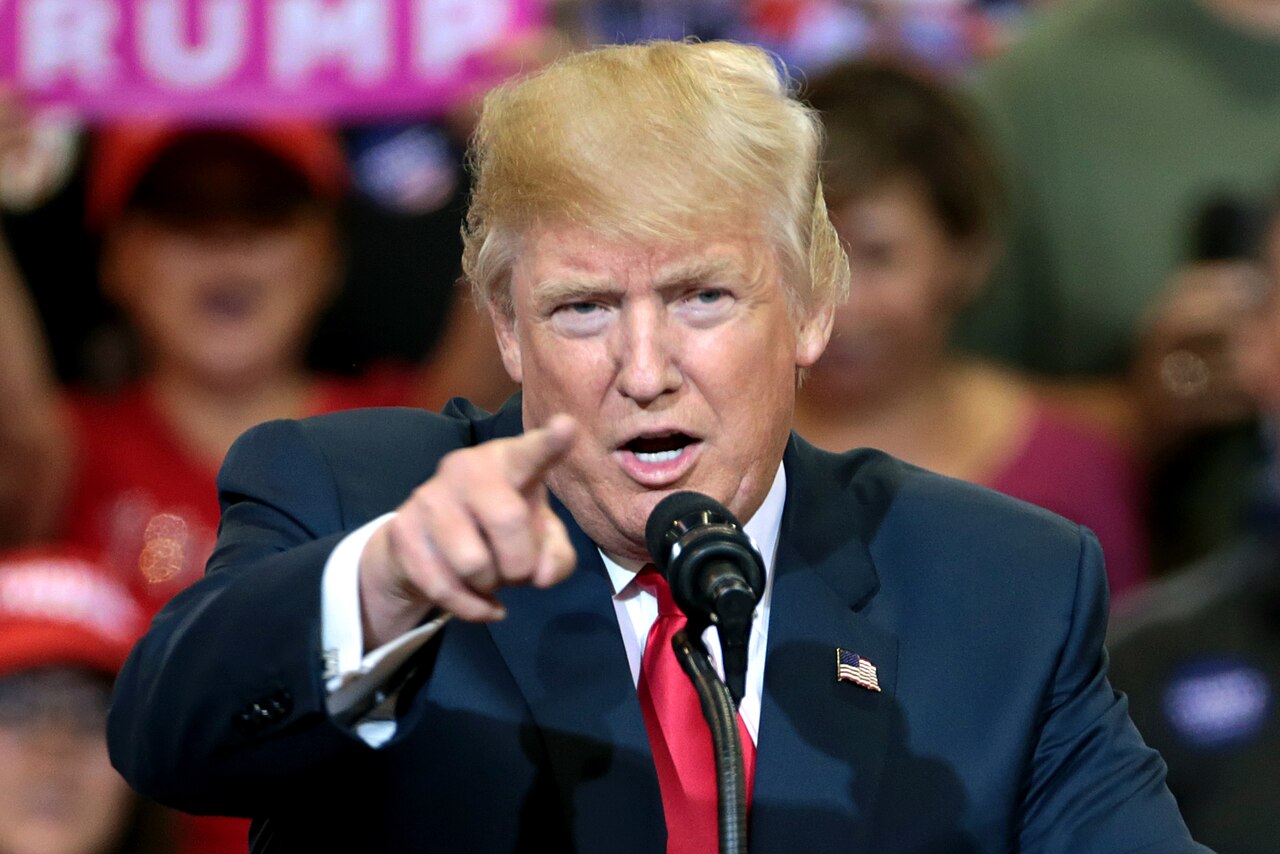
Donald Trump: Businessman, Media Star, 45th & Current US President
Donald J.
Trump is a name synonymous with ambition, disruption, and an undeniable knack for capturing the public's attention. From the gleaming towers of New York City real estate to the high-stakes world of reality television, and ultimately to the most powerful office in the world, his journey has been anything but conventional. Currently serving as President of the United States, a role he also held as the 45th President from 2017 to 2021,
Trump has redefined the modern political landscape, leaving an indelible mark on both domestic policy and international relations. His unique blend of business acumen, media savvy, and populist appeal has made him one of the most talked-about figures of our time.
From Boardroom to Primetime: The Rise of a Business Mogul and Media Star
Born and raised in Queens, New York City,
Trump inherited a foundation in real estate from his father, Fred
Trump. However, it was his own vision and audacious projects that catapulted the family business into the realm of luxury Manhattan skyscrapers, hotels, and casinos. He quickly became known for his aggressive negotiation tactics, ambitious construction projects, and a personal brand that was inextricably linked to the opulent properties bearing his name. Buildings like
Trump Tower became symbols of his gilded empire, reflecting a relentless drive for prominence and success.
As his business ventures expanded, so did his public profile.
Trump understood the power of celebrity long before many of his contemporaries. His transition from a prominent real estate developer to a full-fledged media personality was solidified with the launch of the reality television show, "The Apprentice," in 2004. As the host, his catchphrase, "You're fired!", became a cultural phenomenon, further cementing his image as a decisive, no-nonsense leader. The show offered a manufactured glimpse into the corporate world, starring
Trump as the ultimate arbiter of business potential. This platform allowed him to cultivate a public persona that was both aspirational and authoritarian, reaching millions of households weekly and building a loyal following that would prove crucial in his later political endeavors. The strategic use of media, from television to tabloids, transformed
Trump into a household name, creating a powerful brand identity that blurred the lines between entrepreneurship and entertainment.
Navigating the Political Arena: The 45th and Current Presidency
The year 2015 marked a pivotal moment when
Trump, having spent decades in the public eye, formally entered the political fray. His unconventional campaign, characterized by rallies, direct appeals to voters through social media, and a willingness to challenge established political norms, defied predictions and ultimately led to his victory in the 2016 presidential election. As the 45th President of the United States (2017-2021), his first term was marked by significant policy shifts, including tax reforms, deregulation efforts, and a reshaping of the judiciary. His "America First" agenda prioritized domestic interests and a re-evaluation of international alliances and trade agreements.
The political landscape under
Trump has often been tumultuous, characterized by strong reactions both from supporters and detractors. His communication style, often bypassing traditional media outlets in favor of direct social media engagement, profoundly altered the way presidents interact with the public. Following a return to the political stage,
Trump once again successfully campaigned, securing his current term as President, an outcome that continues to spark debate and analysis regarding the future direction of the nation.
During his tenures,
Trump's presidency has faced numerous challenges and international incidents that have tested the resolve of his administration. From reports of Russian oil tankers and warships navigating the Channel, interpreted by some as a direct challenge to his policies regarding Cuba, to the internal dynamics of the Oval Office, characterized at times as descending into "humiliating farce" due to intense disagreements, his time in office has been anything but quiet. Even global sporting events like the World Cup have found themselves entangled in his public pronouncements, such as his threats concerning Iran's participation, as confirmed by FIFA President Gianni Infantino. These incidents underscore a presidency marked by an assertive and often confrontational approach to both domestic governance and international diplomacy.
Economic Strategy and International Relations: A Divisive Approach
One of the most defining aspects of
Trump's economic policy has been his embrace of tariffs. Unlike traditional free-trade proponents, he viewed tariffs as a powerful tool to protect domestic industries, incentivize manufacturing within the U.S., and address what he perceived as unfair trade practices by other nations. These levies on imported goods became a central pillar of his "America First" economic strategy. While supporters argued that tariffs boosted domestic production and employment, critics pointed to potential rises in consumer prices, retaliatory tariffs from other countries, and disruptions to global supply chains.
The debate around tariffs remains fervent, with Democrats nationwide now making them a central element of their political messaging, highlighting their impact on various sectors and consumers. Understanding the intricacies of
Trump's tariff policies is crucial for grasping his economic legacy. For a deeper dive into this contentious issue, explore how
Democrats Weaponize Tariffs: Trump's Economic Legacy in Focus.
In foreign policy,
Trump's administration has consistently championed an approach that prioritizes national interests above multilateral agreements, often leading to a reassessment of long-standing alliances and diplomatic norms. This has manifested in various ways:
*
Challenges to Global Order: Incidents such as the sailing of Russian oil tankers and warships through strategic channels, interpreted by some as a direct "
Trump Cuba challenge," highlighted the perceived fluidity of international relations under his watch. These events often sparked intense speculation about the strength of U.S. deterrence and influence.
*
Confrontational Diplomacy: His administration's stance on nations like Iran often involved strong rhetoric and threats, as evidenced by his public pronouncements impacting even the World Cup plans, according to FIFA's Gianni Infantino, following Iran's demands. This assertive posture aimed to exert maximum pressure on adversaries.
*
Internal Dynamics: Reports detailing "unhinged 24 hours" or Oval Office meetings descending into "humiliating farce" painted a picture of an administration grappling with internal discord and a highly personalized style of leadership. Such accounts, whether from the press or former insiders, often shaped public perception of the executive branch's functionality and stability. The internal machinations and global implications of these events are further explored in
Trump's Oval Office Farce & Global Tensions: Cuba, Iran, and Russia.
These examples illustrate a presidency unafraid to challenge the status quo, both economically and diplomatically, often with far-reaching and sometimes unpredictable consequences.
The Trump Effect: A Lasting Legacy on American Politics and Culture
The impact of Donald
Trump on American politics and culture extends far beyond specific policies or election outcomes. His rise signaled a significant shift in political campaigning, emphasizing personality, direct communication, and a strong populist appeal. He demonstrated an unparalleled ability to dominate news cycles, shape public discourse, and mobilize a passionate base of supporters who felt ignored by the political establishment. His rallies, often compared to rock concerts, became a hallmark of his campaigns, fostering a deep sense of connection with his audience.
Culturally,
Trump's presidency exacerbated existing divisions, leading to intense debates about national identity, media bias, and the future of democratic institutions. His use of social media as a primary communication tool set a new precedent for political figures, making immediate, unfiltered messages a staple of modern politics. Whether viewed as a disruptor, a savior, or a demagogue, there is no denying that
Trump's tenure reshaped the expectations of what a president can be and how they can interact with both the public and global leaders.
Practical Tip for Analyzing Political Rhetoric: When evaluating political figures like
Trump, it's vital to:
- Distinguish Fact from Opinion: Separate verifiable statements from subjective interpretations or claims.
- Consider the Source: Evaluate the credibility and potential biases of news outlets and commentators.
- Look for Patterns: Analyze consistent themes, communication styles, and policy directions over time.
- Assess Impact vs. Intent: Understand that the intended outcome of a policy or statement may differ significantly from its actual real-world effects.
- Engage Critically: Don't accept information at face value; seek diverse perspectives and primary sources where possible.
This critical approach is essential for navigating the complex media landscape that
Trump has so effectively influenced.
Conclusion
Donald
Trump's journey from a New York City real estate scion to a reality television sensation and, ultimately, to the highest office in the United States, represents a singular narrative in modern history. As the 45th and current U.S. President, his career is characterized by an unwavering self-belief, an extraordinary talent for brand building, and a readiness to challenge conventions across business, media, and politics. From controversial tariff policies that have reshaped global trade discussions to an assertive foreign policy approach that has seen international relations recalibrated,
Trump has left an undeniable imprint. His enduring influence on political discourse, campaign strategies, and the very fabric of American culture ensures that his legacy will continue to be debated and analyzed for generations to come, marking him as one of the most transformative figures of the 21st century.